Love Cat Embroidery Design
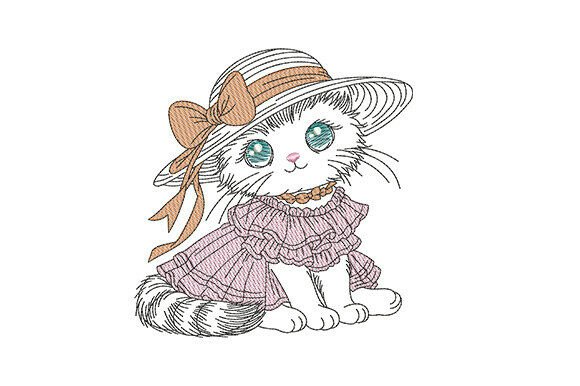
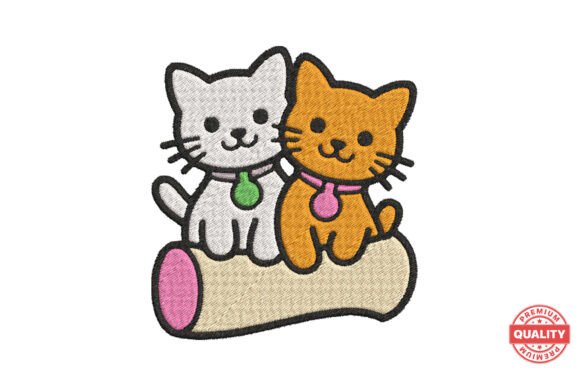
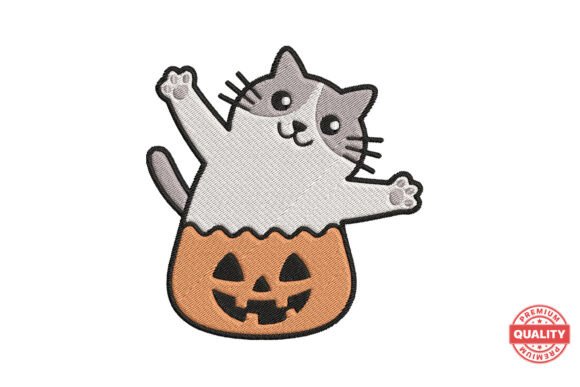
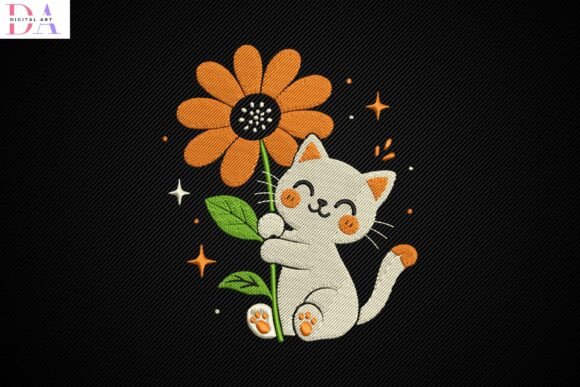
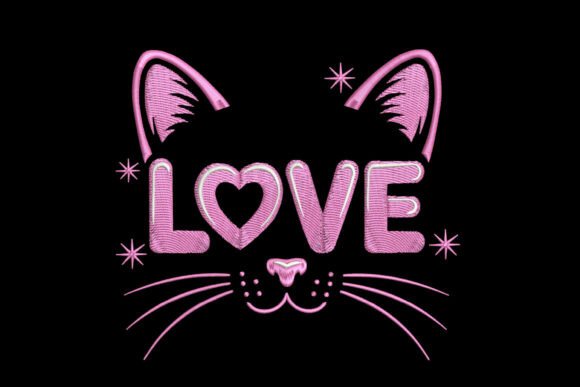
As an embroidery designer and product reviewer, I’ve evaluated countless machine embroidery designs, but Love Cat stands out for its charm and versatility. This design has a warm, playful energy that feels instantly approachable. The cat’s expressive eyes and soft curves give it a friendly, almost nostalgic vibe, making it ideal for projects that aim to evoke comfort and personality.
First Impressions: A Design with Personality
From the moment I viewed Love Cat, I was struck by how well-balanced the layout is. The cat is centered, with enough negative space around it to allow for flexibility in placement. The detail level is just right—enough to make the design recognizable without being overly complex. It’s a perfect blend of simplicity and character, which makes it accessible for both beginners and experienced embroiderers.
The use of satin stitch and fill stitch gives the design a smooth, polished look, while the running stitch adds subtle texture to the background. This combination creates a visual depth that elevates the overall aesthetic. The design feels like it was made to be stitched on fabric, not just viewed on a screen.
Real-World Use: Where Love Cat Shines
One of the first projects I considered for Love Cat was a custom tote bag for a small shop. Tote bags are a staple in craft businesses, and this design would add a unique touch to any canvas or cotton bag. The size of the design allows it to be placed on the front or side without overwhelming the fabric, and the detail level ensures it looks great even from a distance.
I also see Love Cat working well on sweatshirts and t-shirts, especially for casual, lifestyle-oriented brands. Its friendly expression makes it a natural fit for baby clothes, where personalization and sentimentality matter. Whether it’s a onesie, a blanket, or a pillow cover, Love Cat brings a sense of warmth and familiarity that customers will appreciate.
For holiday or wedding gifts, Love Cat could be used as a decorative element on aprons, tea towels, or even embroidered patches. Its clean lines and clear shape make it easy to adapt to different formats, whether as a standalone design or part of a larger composition.
When to Be Cautious: Limitations and Considerations
While Love Cat is generally easy to stitch, there are situations where it might not perform as well. For example, on small hoop sizes, the design may require multiple hooping steps, which can be time-consuming and increase the risk of misalignment. If you’re working with textured fabrics or thin materials, the stitch density might cause puckering or distortion.
On dark fabrics, the thread colors need to be carefully selected to ensure visibility. Light-colored threads may not show up well against a black or navy background. Similarly, stretchy or lightweight fabrics may require additional stabilizer to prevent the design from stretching or losing definition during stitching.
If you're planning to use Love Cat on curved surfaces like caps or hats, be prepared for some extra work. The design’s shape may not conform perfectly to a curved surface, and the corners could appear slightly distorted if not handled properly.
Impact on Visual Appeal and Customer Perception
Love Cat has the potential to significantly enhance the visual appeal of any project. Its friendly, expressive nature makes it instantly recognizable and emotionally engaging. When stitched onto a handmade product or personalized gift, it adds a layer of thoughtfulness that customers will notice and appreciate.
For small business owners and Etsy sellers, this design can be a valuable addition to their product lineup. It offers a balance between creativity and practicality, allowing for quick turnaround times without sacrificing quality. The design’s versatility means it can be adapted to various items, helping to diversify your offerings and attract a broader audience.
When used in commercial embroidery projects, Love Cat maintains a professional appearance that aligns with brand standards. Its clarity and consistency make it suitable for mass production, provided the technical details are properly addressed.
Practical Designer Notes: Testing and Preparation
Before committing to a full project, I always recommend testing Love Cat on scrap fabric. This helps identify any issues with stitch density, thread color contrast, or fabric compatibility. Pay close attention to the small details, such as the cat’s whiskers or the curve of its tail—they can be easily lost if the design is too dense or the stabilizer isn’t adequate.
Use black and white mockups to evaluate how the design will look on different backgrounds. Compare it on light and dark fabrics to ensure it remains visible and appealing in all contexts. Proper stabilizer is essential, especially when working with delicate or stretchy materials.
If you plan to sell finished products or digital embroidery files, make sure to check the licensing terms before proceeding. Some designs may have restrictions on commercial use, so it’s important to confirm this upfront to avoid any legal issues later on.
Conclusion: A Versatile and Lovable Design
Love Cat is more than just an embroidery design—it’s a versatile tool that can elevate a wide range of projects. Whether you’re creating custom apparel, personalized gifts, or small shop merchandise, this design offers a balance of charm, clarity, and usability that’s hard to beat.
With careful preparation and thoughtful application, Love Cat can become a standout piece in your portfolio, helping you deliver high-quality, customer-friendly results. It’s a design that feels right at home in both handmade and commercial settings, making it a valuable asset for any embroidery enthusiast or business owner.